Is a Rolex Loan Basically a Pawn Shop Thing—or Something Different?
It’s Friday night before an auction weekend in Scottsdale. You’re headed to Barrett-Jackson at WestWorld of Scottsdale, and a car you’ve been watching is suddenly within reach. You have a Rolex you like, but you don’t want to sell it. Could you borrow against it instead?
That’s when people ask whether a Rolex loan is “basically a pawn shop thing.” The honest answer: sometimes it can work like a traditional pawn loan, but it doesn’t have to. Specialty watch collateral loans may offer a different process, loan structure, and level of service. The details matter more than the label.
Here’s the tradeoff. A loan secured by your watch can free up cash without making you sell an asset you may want to keep. In return, you pay for the loan, put the watch at risk if you don’t repay, and may accept less money than you’d receive in a sale. Speed and privacy can be useful, but they’re not free.
First, What Does “Pawn vs. Collateral Loan” Mean?
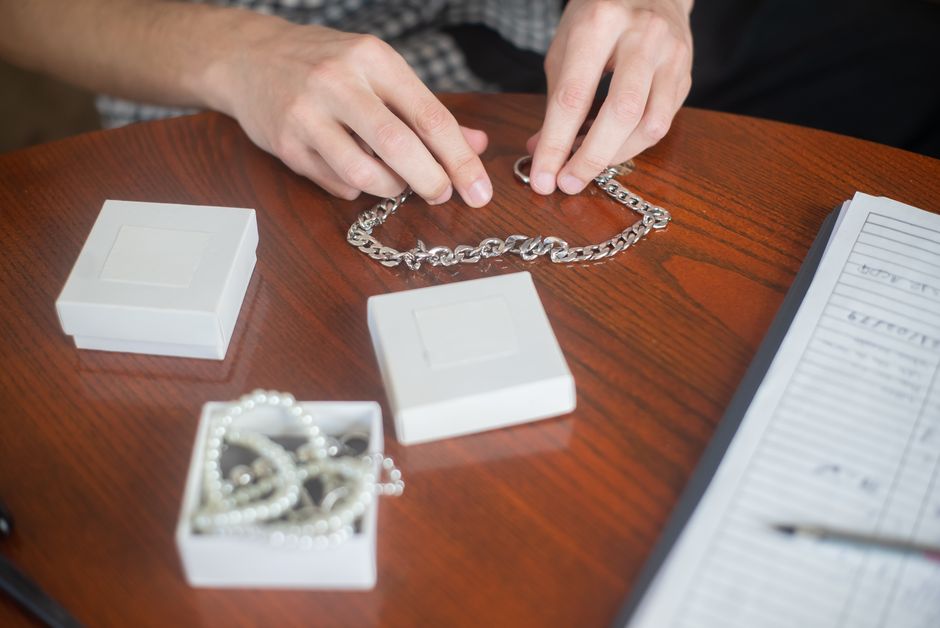
Both types of loans use an item of value as security. With a traditional pawn loan, you bring in an item, the pawnbroker evaluates it, and you receive a loan offer. If you accept, the item is held as collateral under the loan agreement. You repay according to the agreement to get it back. If you don’t, the lender may keep or sell the item as allowed by the contract and local law.
A watch collateral loan follows the same basic idea: the watch secures the debt. But a specialty lender may focus on luxury watches, use watch-specific expertise, and have a process built around evaluating the model, condition, and market. That doesn’t automatically mean the loan is cheaper or better. It means you should compare the actual terms and process rather than assume every collateral loan works exactly like a neighborhood pawn transaction.
Neither is the same as a bank credit line. A bank credit line is generally based on creditworthiness, income, and the bank’s underwriting rules. A Rolex-backed loan is asset-backed: the watch is central to the lender’s decision and serves as collateral. A lender may still consider identity, documentation, or other requirements, but don’t confuse “borrowing against a watch” with getting a bank to extend a credit line.
Question Traditional pawn loan Specialty watch collateral loan What secures the loan? The item you pledge, which may be many kinds of property. The watch, evaluated as a luxury watch asset. Who evaluates it? A pawnbroker or staff member, depending on the shop. A lender or specialist using a watch-focused authentication and valuation process. What should you compare? Loan amount, fees, interest, term, renewal rules, and consequences of nonpayment. The same terms, plus custody, insurance, shipping, and release procedures.These are broad distinctions, not promises about every provider. Read the agreement. If anything is unclear, ask for a plain-English explanation before handing over the watch.
Why a Rolex Can Work as Collateral
Rolex is a liquid luxury asset in the sense that many models have an active secondary market and recognizable demand. That can make a Rolex easier to evaluate and resell than a less familiar or highly customized item. But “liquid” does not mean cash in your account at a guaranteed price today.
Value depends on the exact reference, age, condition, service history, bracelet and dial configuration, box and papers, and current demand. Two watches that look similar in a photo can produce different offers after inspection. A watch may also be worth one amount in a private sale, another through a dealer, and a different amount as collateral. A loan offer is not the same as a retail asking price or a sale estimate.
For perspective, a lender is not usually trying to pay you the watch’s full potential resale value. The lender needs room for costs, risk, and the possibility that the watch must be sold sell a rolex scottsdale if the loan goes unpaid. That’s why a collateral offer can be lower than what you hope to net from a patient sale.
Ask How the Valuation Is Built
A credible conversation should get specific. Ask what comparable watches were used, how recent those comparisons are, and whether the figure reflects an asking price or an actual market transaction. Global secondary market pricing tracked publicly can help provide context, but a public price trend is not a guaranteed offer for your individual watch.
Then ask about the authentication and valuation process. Who inspects the watch? What happens if parts are aftermarket, the watch needs service, or its condition differs from your description? Will the lender explain the findings and how they affect the offer? A clear process is more useful than a vague assurance that you’ll get “top dollar.”
How a Watch Collateral Loan Usually Works
- Share the watch details. Provide the reference number if known, approximate age, condition, service history, and whether box, papers, links, or receipts are available. Photos can help with an initial discussion, but they may not replace a physical inspection.
- Complete verification and valuation. The provider checks authenticity and condition, then considers relevant market information. Ask whether the estimate is preliminary or final.
- Review the written offer. Look at the cash amount, interest rate, fees, repayment period, renewal options, late-payment rules, and what happens if you default. Ask for the total amount due on specific dates, not just a monthly payment.
- Understand custody and delivery. Confirm where the watch will be stored, whether it is insured while in custody, who pays shipping, and how it will be returned after repayment. Get those details in writing.
- Sign only if the exit plan works. Know how you will repay before you borrow. If repayment depends on an uncertain bonus, resale, or business deal, treat that uncertainty as part of the cost.
The timing varies by provider and situation. A straightforward https://technivorz.com/barrett-jackson-bidders-do-they-really-use-watches-to-fund-purchases/ watch may move through an initial review quickly, but authentication, shipping, documentation, and final approval can add time. If you need money for a particular date, ask the lender to state a realistic timeline before you make plans around the funds.
Speed and Privacy Versus the Interest Rate
A watch loan may appeal to someone who wants access to cash without selling the watch publicly. The process can be more direct than finding a buyer, negotiating a sale, arranging payment, and transferring the watch. A collateral loan may also keep the transaction relatively private, though you’ll still need to provide information to the lender and comply with its verification requirements.
Here is the tradeoff. You’re paying interest and possibly fees for speed, convenience, and the chance to reclaim the watch later. The cost can become significant if you extend the loan or renew it repeatedly. Ask for the full repayment figure at the date you expect to pay—not just the advertised rate. Check whether interest is simple or compounded, whether there are setup or storage charges, and whether early repayment changes the amount due.
Compare the loan with the alternatives:
- Sell the watch: You may receive more than a loan offer, but the sale takes time and you give up ownership.
- Use a watch collateral loan: You keep the option to reclaim the watch, but pay borrowing costs and risk losing it if you do not meet the agreement.
- Use a bank credit line: It may have different pricing and repayment terms, but it is a separate credit product with its own qualification process. The watch is not necessarily the collateral.
- Wait or reduce the purchase: The least exciting option can be the cheapest if the timing is flexible.
Don’t borrow based only on the monthly payment. If the loan is short-term, calculate the total due at payoff. If you need an extension, ask what it costs and whether approval is automatic or discretionary.
Auction Week Is a Bad Time to Improvise
Events at WestWorld of Scottsdale can make a purchase feel urgent. Around Barrett-Jackson, bidders may be balancing travel, deposits, transport, and other costs at once. A watch-backed loan can be one way to access cash without selling the watch, but auction excitement is not a repayment plan.
If you’re considering a loan for an auction-week purchase, start before the event. Confirm what the lender needs, allow time for inspection and delivery, and get a written estimate of when funds could be available. Do not assume a photo-based quote is final or that a provider can complete everything on the same day.
Set a borrowing limit before you bid. Include the full cost of the purchase, not just the hammer price: fees, taxes, transport, and any immediate work the car may need. Then decide whether the watch is worth risking against that obligation. A specialty provider such as Diamond Banc may be one place to ask about luxury asset lending, but compare its current offer, terms, and custody arrangements with other options. Availability, timing, and requirements can change, so confirm them directly.
Questions to Ask Before You Hand Over Your Rolex
- Is this a loan secured by my watch, and what happens if I cannot repay?
- What is the exact amount I’ll receive after any fees?
- What will I owe if I repay on my planned date?
- How long is the term, and what does an extension or renewal cost?
- Who authenticates and values the watch, and how can I review the basis for the offer?
- Where will the watch be stored, and is it insured while in the lender’s possession?
- Who pays shipping, and how is the watch returned after payoff?
- What deadlines or notice requirements apply if I miss a payment?
- Can I repay early, and does that reduce the total cost?
Keep copies of the agreement, inspection notes, shipping records, and photos of the watch and accessories before transfer. Document the watch’s condition and what you included. That is practical recordkeeping, not a substitute for reading the contract.
So, Is It a Pawn Shop Thing?
It shares the core mechanic: you borrow money and pledge an asset as security. But a Rolex loan can be handled by a general pawnbroker or by a specialist focused on watches and other luxury assets. The right comparison is not “pawn shop versus fancy lender.” It is the written terms, the quality of the authentication and valuation process, the custody safeguards, and the total cost.

A Rolex can be a useful source of liquidity, but it is not automatically the best source of cash. If you can wait, compare a loan with a sale and with other financing. If you need speed and want to keep the option of getting the watch back, a watch collateral loan may fit—provided the repayment plan is solid and the agreement is clear.
On the Friday before an auction, the most valuable thing may not be a fast yes. It may be enough time to understand the price of borrowing, check the watch’s current market context, and decide whether the purchase still makes sense after the loan cost.