What Does Pull-to-Refresh Do to Your Brain When You Trade?
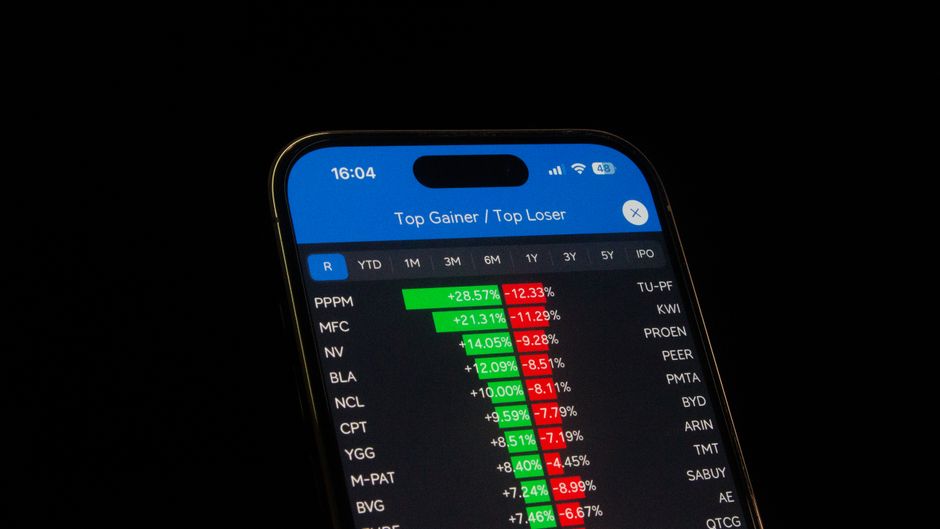
If you’ve ever spent more time staring at your phone screen than the https://thinkaora.com/luck-is-not-a-plan-where-investing-and-games-of-chance-actually-differ/ actual trade you placed, you’ve probably experienced the behavioral pull of that infamous "pull-to-refresh" action in your investing app. Especially when the app lets you buy weekly options — a fast-paced, high-risk playground where every swipe can feel like a bet on your future. But behind the dopamine rush and the swiping lies a fundamental question you’re rarely asked: What does this seamless experience do to your brain—and importantly—how does it affect your expected value when trading?
Pull-to-Refresh Investing App: The Behavioral Hook
Pull-to-refresh is a simple UX design feature that lets users update content with a quick swipe down. In social media, it’s the conduit for instant gratification—a stream of fresh likes, messages, or news. In trading apps, especially those built around options and fast trades, it becomes a near-constant stimulus loop, priming your brain for the next hit of novelty.
This design plays directly into variable ratio reinforcement, the same psychological mechanism that makes slot machines addictive. By refreshing your portfolio or options quotes repeatedly, you create an unpredictable reward schedule: sometimes your trade is up, sometimes it’s down, but the next refresh might just bring the big win. Your brain hooks into this uncertainty, compelling you to keep checking.
Behavioral Finance Triggers Embedded in the App
- Confetti and Celebrations: Gamified app feedback celebrates “wins” with flashy visuals, encouraging engagement without emphasizing losses.
- Instant Feedback: Real-time price updates translate market moves directly into emotional highs and lows.
- Loss Aversion & FOMO: Fear of missing out (FOMO) and aversion to loss push you into rapid-fire decisions rather than thoughtful strategy.
But the numbers tell a different story—one often hidden beneath the sleek app interface.
The Real Dividing Line: Expected Value Over Emotions
“Risk” is a word tossed around in trading forums like confetti, frequently without context. The crucial variable to understand is not just “risk,” but the expected value (EV)—the average amount you can expect to gain or lose per trade over the long run, factoring in probabilities and payoffs.
Term Definition Effect on EV Theta Decay The loss of time value in an option as expiration approaches. Negative EV factor—options lose value with time, especially if you don’t realize gains quickly. Assignment Risk The risk that the option you sold is exercised, potentially forcing unwanted stock trades. Can cause sudden downside, reducing EV unless hedged by spreads. Spread Using both buy and sell options to limit risk and potential loss. Can improve EV by reducing extremes of loss, but with commission cost trade-offs. Commission Trading fees charged per transaction. Reduces EV by weighting returns against fees, especially in high-frequency trading.Weekly options, promoted aggressively in many brokerage apps, often look like fast paths to gains. But theta decay is ruthless when holding options too long without favorable moves. Couple that with commissions and bid-offer spreads, and the EV tilts negative quickly.
Transparency: RTP Published vs Hidden Trading Costs
Casinos publish RTP (Return To Player) percentages explicitly, giving players a grounded sense of long-term expectation. Trading apps, especially those gamifying options purchasing, rarely publish analogous data. Why? Because many products have negative EV baked in by commissions, bid-ask spreads, and unfavorable option mechanics.
Hidden costs can include:
- Slippage between order placement and execution price.
- The compounding effect of multiple small losing trades.
- The erosion of portfolio value due to time decay when buying options outright.
Without transparency, pull-to-refresh amplifies illusion over substance. The brain thinks it’s playing a winning game because it’s engaged in rapid feedback loops, but the math quietly chips away at the account balance.
Time Horizon and The Law of Large Numbers
Behavioral finance highlights a clash here: apps encourage short-term thinking and instant action, but successful investing thrives on patience and consistency. The law of large numbers says you can only reliably expect EV outcomes over a large sample of trades or time.
If the underlying EV is negative—as in many short-term weekly options plays—the more you trade, the more the math catches up with you. Conversely, broad equity ownership, such as buying and holding index funds, exhibits positive expected value over time, making it less prone to short-term volatility’s brain tricks.
Short-Term Trading vs Long-Term Investing
- Short-Term: Frequent pull-to-refresh triggers rapid decisions, emotional highs/lows, and high transaction costs—often a negative EV scenario.
- Long-Term: Limited refresh needs, focus on fundamental value and compounding gains drives positive EV, reduced behavioral traps.
Remember: “The sign in front of the number” matters. Are you adding expected gains or subtracting expected losses over time? Your brain’s reward system can’t calculate that, but your trading math must.
Conclusion: Mind the Eye Candy and Know Your EV
Pull-to-refresh investing apps tap deep behavioral finance triggers, driving compulsive engagement that feels exhilarating but often masks the harsh reality of expected value. Weekly options may seem like a playground, but theta decay, assignment risk, spreads, and commissions combine to make many trades negative EV. Without transparency—akin to the RTP in casino games—traders unknowingly erode capital chasing fleeting thrills.

Focus on your time horizon, insist on understanding the true expected value of your trades, and don’t let your brain get hijacked by variable ratio reinforcement loops masked as slick app features. Your portfolio will thank you.